
Compare Local Contractors for Garden Curbing Installation Success
Compare local contractors for garden curbing installation to clarify scope, verify experience, and set clear expectations before choosing the right service provider.
Garden curbing installation involves creating defined borders around garden beds, pathways, or landscaped areas using materials such as concrete, stone, or brick. This work typically includes designing the layout, preparing the ground, and installing the chosen material to create a clean, durable edge that enhances the overall appearance of a property. Proper installation can help contain mulch, soil, or gravel, preventing erosion and maintaining the neatness of garden features. While the scope of work can vary based on the size and complexity of the project, clear communication about the desired outcome ensures that the installation aligns with the property owner’s landscaping plans.
Defining the scope of a garden curbing project is an important step in working with local contractors. A well-outlined scope details the specific areas to be bordered, the materials to be used, and any additional features such as decorative elements or integrated lighting. Establishing these details in writing helps prevent misunderstandings and sets clear expectations for the work involved. It’s also beneficial to verify a contractor’s experience with similar projects and to review their portfolio or references when possible. This process ensures that the chosen service provider has the relevant skills and understanding needed to deliver results that meet the property owner’s specifications.
Property owners can compare local contractors by evaluating their experience, reputation, and the scope of services offered. Gathering multiple bids or proposals allows for a side-by-side comparison of how each contractor plans to approach the project, including the materials and methods they recommend. Asking questions about previous work, requesting references, and reviewing any available examples of completed projects can provide insight into a contractor’s reliability and craftsmanship. Ultimately, selecting a service provider involves ensuring they understand the project scope, can communicate clearly, and have a proven track record of delivering quality work aligned with the property owner’s landscaping goals.
Compare local contractors by outlining project priorities, verifying experience, and setting clear expectations in writing.
- Compare Contractor Experience - Review the backgrounds and project history of local contractors to ensure they have relevant experience.
- Define Project Scope Clearly - Outline specific details of the curb installation to set clear expectations with service providers.
- Verify Credentials and References - Check references and past work to assess the reliability and quality of local contractors.
- Document Agreements in Writing - Ensure all project details, scope, and expectations are confirmed through written agreements.
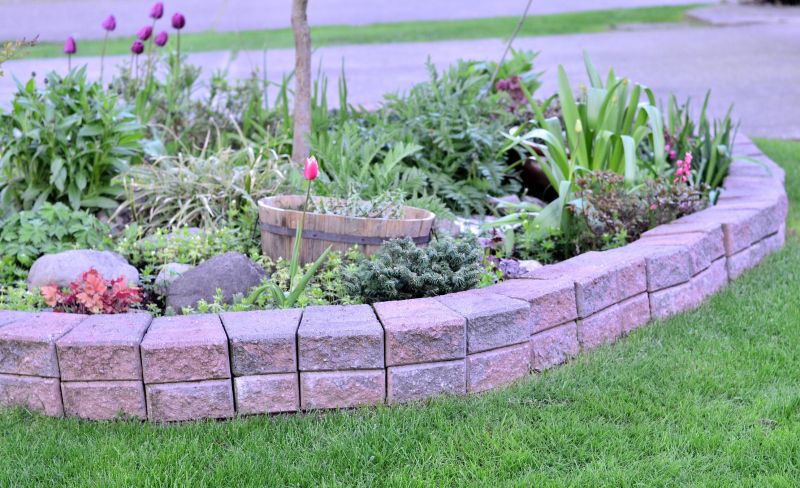
Clearly describe your garden curb installation project to effectively compare local contractors, verify experience, and set expectations in writing.
- Verify the experience of local contractors with garden curbing installation projects similar in scope. - Ensure that service providers clearly define the scope of work in writing to avoid misunderstandings.
- Compare the scope of services offered by different local contractors to find those that meet specific project needs. - Look for detailed descriptions of materials, design options, and installation processes.
- Check references or reviews to assess the reliability and quality of previous garden curbing installations. - Confirm that contractors have a history of completing projects to satisfaction.
- Request a written estimate that outlines the scope, materials, and responsibilities involved in the installation. - This helps in setting clear expectations and avoiding surprises later.
- Discuss and document the project timeline, including milestones and completion criteria, to ensure alignment. - Clear timelines in writing help prevent misunderstandings about project progress.
- Confirm that the contractor understands the desired design and aesthetic preferences for the garden curbing. - Clear communication about style and materials ensures the finished work aligns with expectations.
Compare local contractors’ experience and clarify project scope to ensure clear, written expectations.

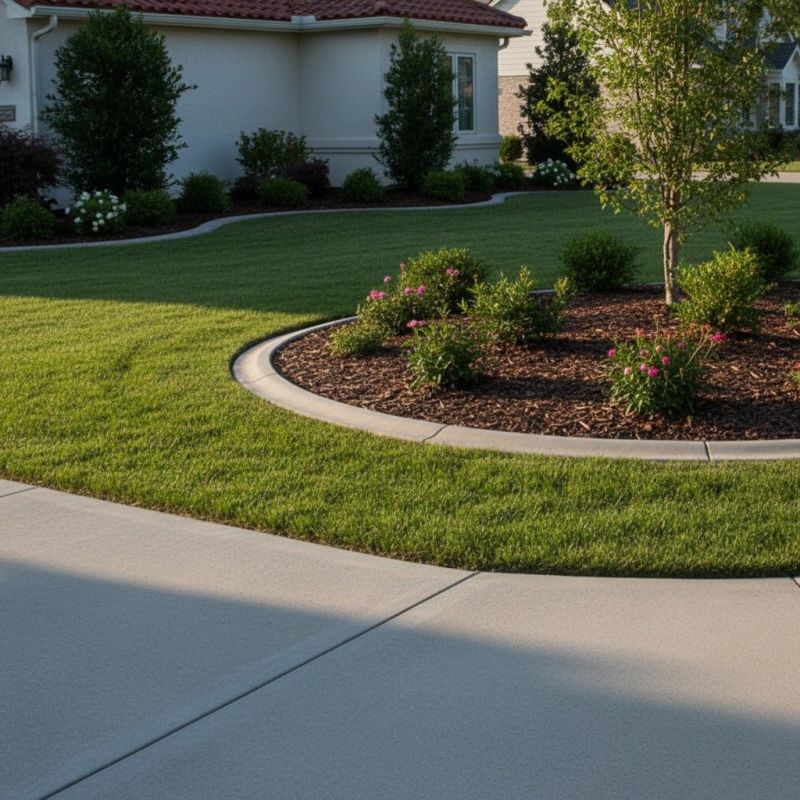


To compare garden curbing installation contractors effectively, focus on defining scope, verifying experience, and maintaining consistent expectations across local service providers.
- Project Scope - Clearly define the specific area and design of the garden curbing to be installed.
- Material Selection - Specify the types of materials to be used for the curbing and their expected finishes.
- Installation Method - Determine the preferred installation techniques and any site preparation requirements.
- Experience Verification - Confirm that local contractors have relevant experience with garden curbing projects.
- Written Agreement - Ensure all project details, expectations, and scope are documented in a formal agreement.
When comparing contractors for garden curbing installation, it’s important to evaluate their experience with similar projects. Inquire about the types of garden curb installations they have completed and ask for details about past work that aligns with the scope of your project. Contractors with extensive experience in garden edging or curbing are more likely to understand the nuances involved, such as soil conditions, design preferences, and material choices. This background can help ensure the selected service providers are well-equipped to handle the specific requirements of your garden space.
A clear, written scope of work is essential for setting expectations and ensuring both parties are aligned. When reviewing contractors, look for detailed proposals that outline the work to be performed, materials to be used, and any specific design elements or site considerations. A comprehensive scope helps prevent misunderstandings and provides a basis for evaluating whether the contractor’s approach matches your vision. It also serves as a reference point for any future discussions or adjustments during the project.
Verification basics are crucial when assessing potential service providers. Confirm that the contractors have a solid track record of completing garden curbing projects successfully. Request references or examples of previous work, and consider how well their past projects align with your needs. Additionally, verify that the contractor’s credentials, such as insurance coverage or local business registration, are in order. These steps help establish credibility and reduce the risk of encountering issues during the project.
Evaluating options without focusing on prices involves assessing the quality of proposals, experience, and communication. Pay attention to how well contractors understand your project needs and whether they provide thorough, detailed information in their scope of work. Consider their responsiveness and professionalism during initial interactions, as these can be indicators of how smoothly the project will proceed. Comparing these qualitative factors can help identify service providers who are capable of delivering a successful garden curbing installation that meets your expectations.
Ask contractors to provide written scope details to ensure clear expectations and consistent project understanding.
- Experience and Credentials - What specific experience do local contractors have with garden curbing installation?
- Scope of Work - How do contractors define and clarify the scope of the garden curbing project?
- Materials and Techniques - What materials and installation techniques do service providers typically use for garden curbing?
- Project Expectations - How should the scope and expectations be documented in writing before work begins?
- Comparison Points - What criteria should be used to compare different local contractors’ approaches and experience?
How can I compare contractors for garden curbing installation? To compare local contractors, review their experience, verify references, and evaluate their scope of work to ensure they meet specific project needs.
What should I consider when defining the scope of garden curbing installation? Clearly outline the desired curb design, materials, and extent of the project to help contractors provide accurate assessments and avoid misunderstandings.
How do I verify a contractor’s experience with garden curbing projects? Ask for examples of past work, request references, and check how long they have been performing garden curbing installation in your area.
Why is it important to get project details in writing? Having a written agreement ensures that all expectations, scope, and responsibilities are clearly documented, reducing potential disputes or misunderstandings.
What questions should I ask a contractor before hiring for garden curbing? Inquire about their experience, materials used, project process, and whether they can provide a detailed scope of work to match your needs.
How can I ensure the contractor understands my garden curbing vision? Communicate your ideas clearly, provide any sketches or examples, and confirm that the scope of work reflects your expectations before work begins.
Understanding the essentials of garden curbing installation can help in making informed decisions when comparing local contractors. Visitors have learned how to define the scope of the project, verify experience, and set clear expectations in writing to ensure a smooth process. Using the provided quote form allows for straightforward comparisons among nearby service providers, helping to identify options that align with specific project needs.
By utilizing the quote form, visitors can efficiently explore and compare local contractors specializing in garden curbing installation. This approach supports making well-informed choices by encouraging clear communication and detailed scope discussions. Connecting with trusted service providers through this method can help facilitate a successful project tailored to individual preferences and requirements.