
Compare Local Contractors for Landscape Curbing Installation Services
Compare local contractors for landscape curbing installation to define project scope, verify experience, and set clear expectations for a successful outcome.
Landscape curbing installation typically involves creating decorative or functional borders around garden beds, walkways, driveways, and other landscaped areas. This work often includes designing and shaping concrete or stone materials to define property boundaries, prevent soil erosion, and enhance curb appeal. Contractors may also handle surface preparation, material selection, and finishing touches to ensure that the curbing complements the overall landscape design and withstands local weather conditions.
Clearly defining the scope of a landscape curbing project is essential for setting realistic expectations and ensuring the work aligns with property owners’ needs. A detailed scope should specify the desired materials, the extent of the installation, any custom design elements, and the level of surface preparation required. Having this information in writing helps prevent misunderstandings, provides a basis for comparing different contractors’ approaches, and supports effective communication throughout the project.
When evaluating local contractors for landscape curbing installation, property owners should consider experience with similar projects, the range of services offered, and the quality of previous work. It’s helpful to verify that contractors understand the specific requirements of the property and can provide detailed proposals that outline the work scope. Comparing multiple service providers based on their expertise, professionalism, and clarity in communication can assist in selecting a contractor capable of meeting project expectations and delivering a durable, attractive landscape feature.
Compare local contractors by outlining your project priorities, verifying experience, and setting clear expectations in writing.
- Compare Contractor Credentials - Review the experience and reputation of local contractors to find suitable options for landscape curbing installation.
- Define Project Scope Clearly - Outline specific details and expectations to ensure alignment with service providers before starting the work.
- Verify Experience and Past Work - Seek information about previous projects to assess the expertise of potential contractors.
- Get Written Agreements - Ensure all project details, scope, and expectations are documented in a formal agreement.

Before comparing contractors, clearly describe your landscape curbing project, scope, and expectations to ensure informed choices.
- Verify the experience and reputation of local contractors specializing in landscape curbing installation. - Look for service providers with a proven track record in curbing projects similar in scope and style.
- Compare the scope of work offered by different contractors to ensure all desired features and materials are included. - Clarify what is covered in the installation process to avoid misunderstandings later.
- Request detailed written estimates that outline the materials, scope, and specific services provided. - Ensure all project expectations are documented and clear before work begins.
- Assess the communication style and responsiveness of potential service providers during initial contact. - Choose contractors who provide clear, professional, and prompt responses.
- Check references or reviews to gauge previous clients’ satisfaction with the contractor’s work quality and professionalism. - Gather insights into the contractor’s reliability and craftsmanship from past customers.
- Confirm that the scope of work, materials, and project details are documented in a formal agreement or contract. - Protect the project by having all agreements in writing before installation starts.
Compare local contractors' experience and clarify project scope to ensure smooth landscape curbing installation.
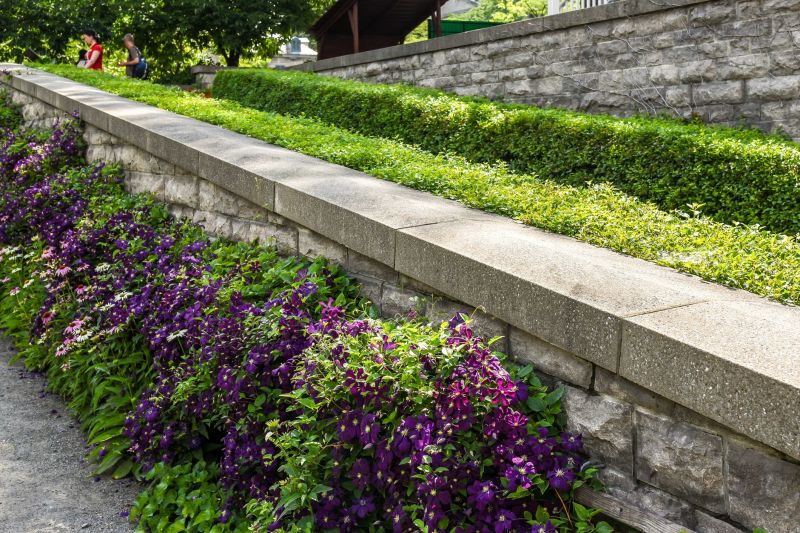
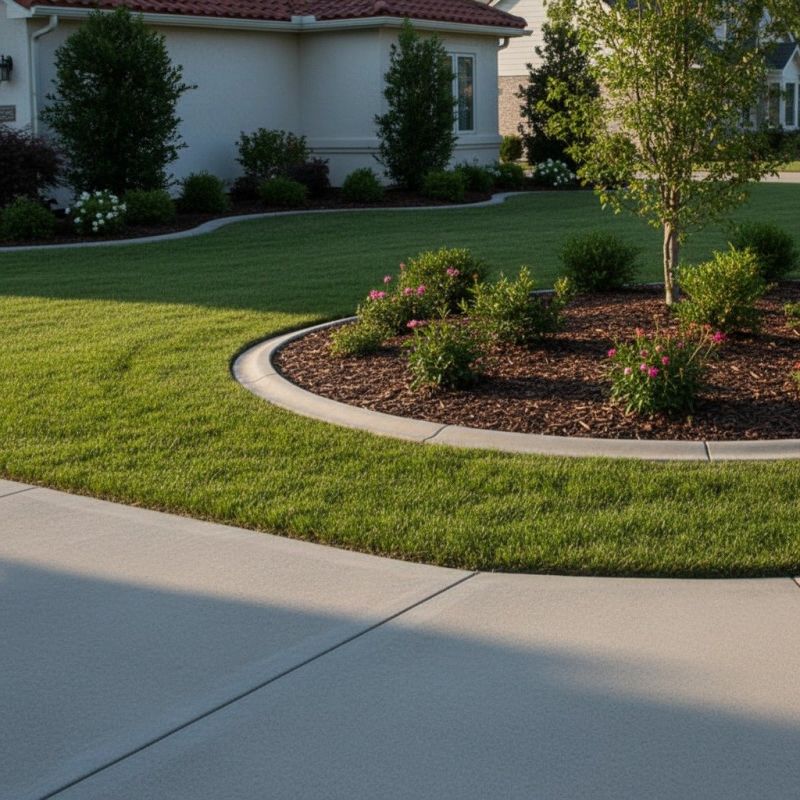


This section helps compare landscape curbing contractors by defining scope, verifying experience, and ensuring clear written expectations.
- Scope Definition - Clearly outline the specific areas and boundaries where landscape curbing will be installed.
- Material Selection - Identify the types of materials preferred for the curbing to ensure compatibility with landscape design.
- Experience Verification - Confirm that local contractors have relevant experience with landscape curbing installation projects.
- Work Specifications - Detail the desired curb height, style, and finish to align expectations with the service provider’s capabilities.
- Written Agreement - Ensure all project details, scope, and expectations are documented in a formal agreement with the chosen contractor.
When comparing contractors for landscape curbing installation, it is essential to evaluate their experience with similar projects. Homeowners should inquire about the types of curbing projects they have completed and whether they have worked with landscapes comparable in size, style, and terrain. A contractor’s familiarity with different materials, design preferences, and installation techniques can impact the quality and durability of the final result. Seeking details about past work can help gauge whether a service provider has the appropriate background to handle specific landscape features and site conditions.
A clear, written scope of work is a vital component when assessing potential contractors. This document should outline the specific tasks involved, including the materials to be used, the extent of the installation, and any preparatory or finishing work. Having a detailed scope helps prevent misunderstandings and ensures that expectations are aligned before any work begins. Homeowners should verify that the scope covers all desired aspects of the project and ask for clarification or adjustments if any part appears vague or incomplete.
Verification basics are important when evaluating local contractors for landscape curbing. Homeowners can ask for references or examples of completed projects, which can provide insight into the quality of workmanship and reliability. Additionally, confirming that a contractor has appropriate insurance coverage and adheres to industry standards can help protect against potential issues. Checking for consistency in project delivery and communication can also serve as indicators of a contractor’s professionalism and ability to meet expectations.
When exploring options, it is helpful to compare how each contractor approaches the project scope, their level of experience, and their communication practices. Homeowners should ask detailed questions about the methods they use, the materials recommended, and how they plan to handle site-specific challenges. Taking the time to understand each service provider’s process and verifying their credentials can support an informed decision. This approach ensures that the chosen contractor is well-suited to deliver a quality landscape curbing installation that aligns with the homeowner’s vision and needs.
Ask contractors to provide written scope details to ensure clear expectations and consistent project understanding.
- Experience and Portfolio - How can I verify a contractor’s previous landscape curbing projects and experience?
- Scope of Work - What details should be included in the scope of work to ensure clarity between the contractor and the homeowner?
- Materials and Techniques - How do different materials and installation methods impact the durability and appearance of landscape curbing?
- Warranty and Guarantees - What types of written warranties or guarantees should be expected from service providers?
- Communication and Expectations - How can I ensure that the contractor clearly defines project expectations and deliverables in writing?
How can I compare landscape curbing contractors effectively? To compare contractors, review their experience, verify references, and assess their scope of work to ensure they meet project needs.
What should I consider when defining the scope of landscape curbing installation? Clearly outline the area to be bordered, the type of material, and any design preferences to help contractors provide accurate proposals.
How can I verify a contractor’s experience with landscape curbing projects? Ask for examples of previous work, request references, and review any available portfolios to gauge their expertise and quality.
Why is it important to have the scope of work in writing? Having the scope in writing helps set clear expectations, prevents misunderstandings, and provides a basis for project completion standards.
What questions should I ask when evaluating local contractors for curbing installation? Inquire about their experience, the materials they recommend, their process for installation, and how they handle project details and expectations.
How do I ensure a contractor understands my design preferences and project requirements? Communicate your vision clearly, provide any sketches or examples, and confirm that the scope of work reflects your expectations before work begins.
This page has provided an overview of key considerations when selecting contractors for landscape curbing installation. Visitors have learned how to define the scope of work, verify experience, and ensure clear communication by setting expectations in writing. These steps can help in making informed comparisons among nearby service providers, enabling a more confident decision-making process.
To find the right contractor for landscape curbing needs, using the quote form to compare local service providers is recommended. This approach allows for a straightforward way to connect with experienced contractors who can handle the job, helping to identify options that align with specific project requirements.