
Compare Local Contractors for Reliable Landscaping Maintenance Services
Compare local contractors to define your project scope, verify experience, and set clear expectations for reliable landscaping maintenance.
Landscaping maintenance services typically encompass a range of ongoing tasks aimed at keeping outdoor spaces healthy and visually appealing. This can include mowing lawns, trimming shrubs and trees, edging borders, fertilizing turf, weed control, and seasonal cleanups. These activities help preserve the overall appearance of a property and ensure that the landscape remains well-kept throughout the year. When selecting a contractor for these services, it’s important to clearly define the scope of work to match specific property needs, whether that involves regular weekly visits or seasonal touch-ups. Clear communication about what tasks are included and excluded helps set expectations and ensures the work aligns with property owners’ goals.
Defining the scope of landscaping maintenance work is a critical step in choosing the right service provider. A well-outlined scope provides clarity on the specific tasks to be performed, frequency of service, and any special requirements for the property. This not only helps prevent misunderstandings but also makes it easier to compare different contractors based on the services they offer. Property owners should verify the experience of prospective contractors with similar properties or landscapes, inquire about their familiarity with local conditions, and ensure they understand the scope of work before proceeding. Having written agreements that detail the scope of work can serve as a reference point and help ensure that both parties share a common understanding.
Comparing local contractors for landscaping maintenance involves evaluating their experience, reputation, and the services they provide. Property owners can seek recommendations, review online directories, and ask for references to gauge the quality of previous work. It’s beneficial to ask contractors how they approach maintenance tasks, what equipment they use, and how they customize their services to different landscapes. When reviewing proposals or estimates, focus on the details of the scope of work, included tasks, and any additional services offered. Taking the time to compare these aspects helps ensure that the selected service provider can meet the specific needs of the property and deliver consistent, reliable maintenance over time.
Compare local contractors by outlining your priorities, verifying experience, and clearly defining project expectations in writing.
- Compare Contractor Experience - Review the background and past work of local contractors to ensure they have relevant landscaping maintenance expertise.
- Define Project Scope Clearly - Establish detailed work requirements and expectations to align with the capabilities of potential service providers.
- Verify Service Provider Credentials - Check references and credentials to confirm the reliability and professionalism of local contractors.
- Document Agreements in Writing - Ensure all project details, responsibilities, and expectations are clearly outlined in a formal agreement.
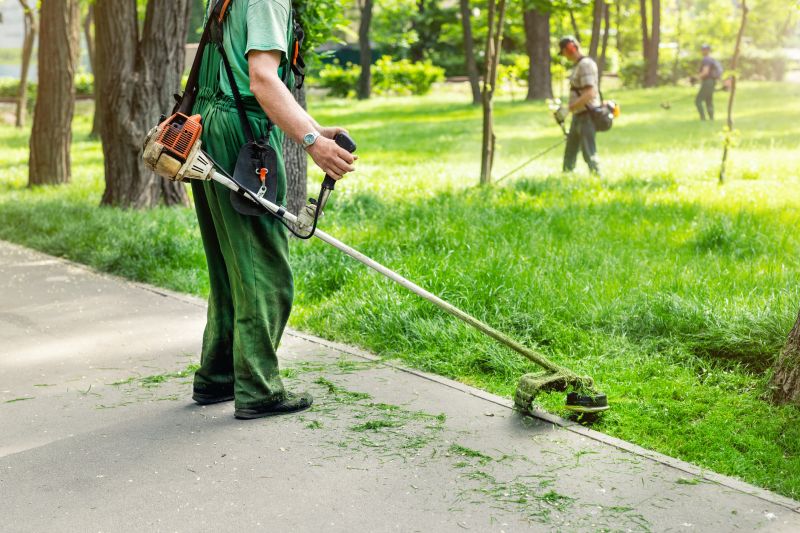
Clearly describe your landscaping maintenance project to effectively compare contractors, verify experience, and set written expectations.
- Verify the experience and reputation of local contractors specializing in landscaping maintenance. Ensure they have a clear understanding of the scope of work needed for your property. Compare the services offered by different service providers to find those that match your landscaping needs. Look for contractors who provide detailed written estimates outlining the work to be performed. Discuss and document specific tasks such as mowing, trimming, fertilizing, and weed control to set clear expectations. Confirm that service providers are willing to define project scope and responsibilities in writing before work begins.
Use this to compare local contractors, clarify your project scope, and set clear expectations in writing.


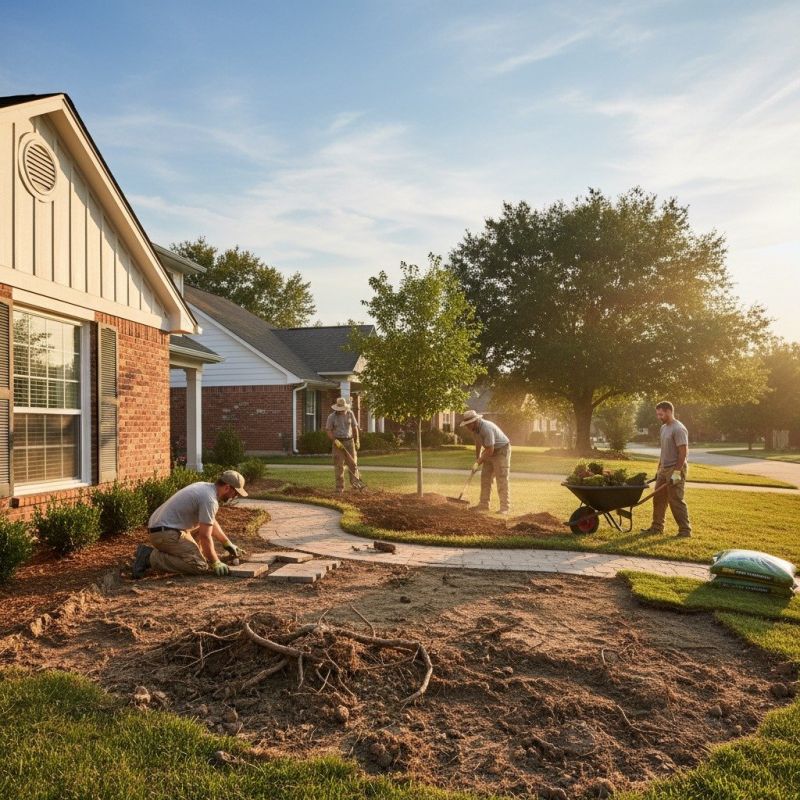

This scope builder helps compare landscaping maintenance contractors consistently by defining work details and verifying experience.
- Define scope of work - specify the landscaping maintenance tasks to be performed, including areas and specific services required.
- Verify experience and expertise - determine the contractor’s background and familiarity with the types of landscaping maintenance needed.
- Establish communication expectations - outline how the contractor will document work details and updates in writing.
- Set quality standards and expectations - clarify the desired level of service and workmanship before work begins.
- Compare service offerings - evaluate different local contractors based on scope, experience, and communication practices to find the best match.
When evaluating contractors for landscaping maintenance, it’s important to consider their experience with similar projects. Service providers who have a proven track record working on properties comparable in size, style, and scope can offer insights into their familiarity with the specific needs of your landscape. Asking about past projects or requesting references can help determine if a contractor has the relevant background to handle your property effectively. Experience in similar settings often correlates with a smoother process and a higher likelihood of meeting your expectations.
A clear, written scope of work is essential when comparing landscaping maintenance contractors. This document should outline the specific tasks to be performed, the frequency of service, and any materials or equipment that will be used. Having a detailed scope helps prevent misunderstandings and ensures that both parties have aligned expectations. When reviewing proposals or discussing options, prioritize contractors who can articulate a comprehensive plan in writing. This clarity provides a foundation for accountability and makes it easier to evaluate whether the service matches your landscape’s needs.
Verification basics are key to confidently selecting a service provider. While licensing and certification are not the focus here, verifying a contractor’s reputation through references, reviews, or industry affiliations can provide valuable insights into their reliability and quality of work. Additionally, confirming that the contractor has appropriate insurance coverage and adheres to safety standards can help protect against potential liabilities. Conducting due diligence in these areas ensures that the chosen service provider is well-established and capable of delivering consistent results.
When comparing options, it’s helpful to assess how each contractor plans to approach your landscaping maintenance needs. Focus on their communication style, responsiveness, and willingness to provide detailed information about their methods and processes. Asking questions about their experience with specific landscape features or challenges can reveal their expertise and problem-solving ability. By emphasizing the quality and clarity of their proposals and verifying their background, homeowners can make informed decisions without relying on price alone, leading to a more satisfactory and reliable service experience.
Ask contractors to provide written scope details to ensure clear, consistent expectations for landscaping maintenance.
- Experience and Expertise - What specific experience do local contractors have with the types of landscaping maintenance needed?
- Scope of Services - How do contractors define the scope of work to ensure all maintenance tasks are covered?
- Work Quality and Standards - What standards or practices do service providers follow to ensure consistent quality?
- References and Past Projects - Can contractors provide references or examples of similar landscaping maintenance work?
- Written Agreements - How do local contractors document the scope, expectations, and responsibilities in writing?
How can I compare landscaping maintenance contractors? To compare contractors effectively, review their experience, services offered, and reputation. Gathering details about their previous work and reading client feedback can help identify the best fit for the scope of the project.
What should I include in the scope of work for my landscaping maintenance? Clearly define tasks such as lawn care, trimming, fertilization, and seasonal cleanup. Providing detailed descriptions ensures contractors understand your expectations and can offer accurate proposals.
How do I verify a contractor’s experience in landscaping maintenance? Ask for information about their previous projects and the types of properties they have served. Confirming their background helps ensure they have relevant hands-on experience for your needs.
Why is it important to have a written agreement with a landscaping contractor? A written agreement outlines the scope of work, responsibilities, and expectations, reducing misunderstandings and providing a clear reference for the duration of the project.
What questions should I ask a landscaping maintenance contractor during the selection process? Inquire about their experience with similar projects, the services included, and how they handle unforeseen issues. These questions can help assess their professionalism and reliability.
How can I ensure my expectations are clear when working with a contractor? Communicate your specific needs and preferences in writing, and request that the contractor confirm the scope and details in a formal agreement before work begins.
By exploring the options available, visitors can learn how to identify experienced contractors who specialize in landscaping maintenance and how to clearly define the scope of work. Comparing local service providers helps set clear expectations and ensures that the project details are understood before any work begins. Utilizing the quote form makes it easy to gather information and compare different contractors to find the right fit for specific needs.
Taking a few moments to use the quote form allows for straightforward comparisons among local contractors who can handle landscaping maintenance tasks. This process helps clarify what each service provider offers and how they approach projects, making it easier to make informed decisions. Connecting with suitable local professionals through this method supports a well-organized and transparent planning process.